
THANK YOU FOR SUBSCRIBING


Long before wine reaches the barrel, each stave begins shaping its flavor, structure, and aging potential. Radoux USA gives winemakers greater control over that influence by matching oak characteristics to specific wines and stylistic goals.
 At the center of this approach is OakScan®, Radoux's proprietary near-infrared analysis technology. Rather than relying solely on traditional classifications such as forest origin or grain, OakScan analyzes every French oak stave and assigns a proprietary polyphenolic index correlated with tannin potential. Using this 0-100 classification scale, staves are sorted and assembled into barrels with highly consistent oak profiles and extraction potential, allowing winemakers to select barrel programs tailored to specific wines and aging objectives. By complementing traditional wood selection methods, OakScan delivers a level of precision, reproducibility and predictability that extends beyond forest designation alone.
"We source from forests across France, then sort each stave by grain and ellagitannin potential, ensuring barrels deliver uniformity, consistency and precise influence on wine," says Craig Holme, National Sales Manager for Radoux USA.
Matching Oak to Winemaking Goals
Choosing the right barrel begins with understanding the wine and the style a winemaker wants to achieve. Drawing upon extensive industry experience and close collaboration with Radoux's technical and research teams, the cooperage works with winemakers to evaluate factors such as aging duration, fruit profile, tannin structure and desired oak impact before recommending a barrel program.
Those conversations become detailed barrel specifications. Radoux regularly collaborates with leading winemakers and consultants to evaluate wines and define objectives for aging. The company's French research and development team then translates those goals into decisions regarding seasoning, grain selection, tannin potential, and toast profile.
-
We source from forests across France, then sort each stave by grain and ellagitannin potential, ensuring barrels deliver uniformity, consistency and precise influence on wine.
Seasoning and toast provide another layer of precision. When silkier tannin impact is desired, Radoux can utilize longer-seasoned wood, including 36-month air-dried oak. Over the past decade, many winemakers have moved toward more restrained oak influence, prompting the development of lighter toast styles and barrel profiles designed to preserve fruit character while enhancing texture and complexity.
 The optimal OakScan® selection can vary significantly depending on the wine. Tannin-rich Napa Valley Cabernet Sauvignon, particularly mountain-grown fruit, is often paired with lower-tannin OakScan® selections to avoid adding excessive oak-derived structure. Similarly, certain Pinot Noir programs benefit from lower-tannin barrel selections that preserve elegance and fruit expression while still adding texture and complexity. Chardonnay programs may call for different grain and toast combinations depending on the desired balance of freshness, richness, and mouthfeel.
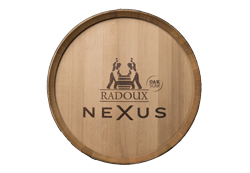
Radoux continues to expand its barrel offerings through Nexus, a range developed in collaboration with American winemakers, including Napa Valley consultant Jean Hoefliger, and the company's French R&D team. The goal is to create barrel profiles that reflect the preferences and winemaking styles of the modern American market while maintaining the craftsmanship and consistency associated with French cooperage.
Control, Traceability and Oak Adjuncts
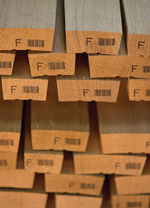
Quality control begins at the source. Oak buyers identify and select suitable trees before conversion into staves. French oak is seasoned at Radoux's cooperage facilities in France, where individual staves are tracked throughout the production process. Barcode-based traceability systems and quality control protocols allow Radoux to follow wood from sourcing through seasoning and barrel construction.
 With a history spanning more than 75 years, Radoux has continually expanded its expertise in oak maturation. In addition to barrels, the company offers a comprehensive range of Pronektar oak adjuncts, including staves, chips, fermentation granulates and oak extract products. These solutions allow wineries to apply the same philosophy of oak selection and precision to a variety of winemaking applications.
Oak adjuncts can address specific production needs. Oak chips and staves may help support structure and complexity when conditions require additional enhancement, while liquid and powder oak products can provide targeted solutions during fermentation, maturation or finishing.
Looking Ahead
The company is also investing in next-generation oak characterization research that may further improve understanding of oak species, wood chemistry and their influence on wine. These ongoing innovations build upon the foundation established by OakScan® and reinforce Radoux's commitment to helping winemakers achieve greater precision and consistency in barrel aging.
Today, Radoux's combination of stave-by-stave analysis, traceability, technical expertise and comprehensive portfolio of barrels and oak adjuncts continues to position the company as a leading innovator in premium cooperage.
Precision Oak Selection for Consistent Wine Expression
Barrel buying has become less forgiving as wineries ask oak to contribute without dominating the wine. A barrel that works well in one cellar may behave differently in another, since grape tannin, aging time, varietal character and house style all shape the desired level of oak extraction. Procurement teams need more than a forest name or origin label. They need to know how closely a cooper can control the barrel’s effect on the wine and reproduce the same profile across a larger order.
Consistency starts with the wood itself. Forest provenance remains relevant, yet it does not tell a buyer how closely individual staves match in grain or tannin content. Variation within a lot can complicate blending decisions and make barrel trials harder to reproduce at scale. A stronger manufacturing approach sorts wood at stave level before toasting rather than treating geographic origin as the final quality signal. Buyers should also examine how seasoning decisions affect extraction, since longer maturation can lower tannin contribution and materially change how a barrel behaves in wine.
The cost of inconsistency becomes more noticeable as volumes grow. A small trial can handle some variation from one barrel to another because the cellar team can taste the wine and adjust the blend. That becomes harder when a larger program involves many barrels. Reordering can also be difficult if the original barrel was identified mainly by its forest origin or a general toast level. Clearer selection criteria give purchasing teams something more specific to work from when they need to recreate the same profile for a later vintage.
Toast selection is equally important. Many wine programs want oak that adds structure and complexity, yet without covering the fruit. That changes the purchasing conversation from simply choosing a toast level to matching the grain, tannin, heating profile and maturation time to the wine’s planned aging period. A cooper that understands a winemaker’s sensory goals can build those preferences into the production process, giving the cellar greater control over oak influence while still using new barrels. The real challenge is maintaining the same profile when a successful trial moves into a larger program.
“Radoux USA’s OakScan process sorts French oak by grain and measured tannin content, giving wineries a more controlled basis for repeatable barrel selection.”
Traceability matters when a winery commits significant volume to a particular barrel specification. Buyers need to know where the wood came from, how long the staves were matured, how each component was identified and where the barrel moved during production. Barcodes and lot numbers can make that history easier to follow. Contamination checks provide another safeguard before the barrels leave the facility. More importantly, good records give wineries somewhere to turn when a barrel lot does not perform as expected. The supplier should be able to identify the material, production details and handling behind that lot.
Radoux USA merits consideration as a premier choice for wineries that want barrel selection tied closely to measurable wood characteristics and cellar intent. Its OakScan process sorts French oak by grain and measured tannin content, giving wineries a more controlled basis for repeatable barrel selection. The company can adjust wood maturation and toasting to the style a winemaker wants to achieve. Tree-level sourcing, stave maturation, tagged material and barcode tracking help maintain consistency throughout production. Its Nexus range was developed specifically for American winemaking preferences, bringing French cooperage expertise to specifications suited to the domestic market.
...Read more
Wine Barrel Manufacturing Companies Info
Q1
What Do Wine Barrels Manufacturing Companies Provide?
Wine Barrels Manufacturing Companies produce oak barrels designed to influence how wine develops during aging. The work extends beyond shaping and assembling wood. Important variables include oak origin, grain structure, seasoning, tannin potential and toast profile. Radoux USA, for example, uses OakScan®, a near-infrared analysis process that classifies French oak staves according to polyphenolic potential. The approach helps create more consistent oak profiles and gives winemakers greater control over extraction and wine style.
Q2
How Does Radoux USA Approach Wine Barrel Selection?
Radoux USA treats barrel selection as a process of matching wood characteristics with the intended wine style. Wine Barrels Manufacturing Companies can use factors such as aging duration, fruit profile, tannin structure and desired oak impact to determine an appropriate barrel program. Radoux works with winemakers, consultants and its technical and research teams to translate these objectives into choices involving grain, seasoning, tannin potential and toast. Its Nexus range was developed with American winemakers to reflect preferences within the U.S. market.
Q3
Why Does Oak Selection Matter in Wine Barrels Manufacturing Companies?
Oak selection affects how a barrel interacts with wine throughout maturation. Forest origin provides useful information, but individual stave characteristics can vary within the same source. Wine Barrels Manufacturing Companies therefore increasingly need methods that account for grain and tannin potential at a more detailed level. Longer seasoning can also moderate tannin contribution, while toast influences aromatic and structural characteristics. Radoux's research has focused on wood selection and the relationship between oak characteristics and the sensory development of finished wines.
Q4
What Quality Factors Should Buyers Evaluate?
When evaluating Wine Barrels Manufacturing Companies, buyers can examine consistency, wood sourcing, seasoning practices, toast control and traceability. These factors become particularly relevant when a successful barrel profile needs to be reproduced across a larger program. Radoux tracks French oak through production using barcode-based systems, while its barrels carry identifying information that supports traceability from sourcing through manufacture. The broader Radoux group also uses individual barrel numbering and wood-origin tracking as part of its quality approach.
Q5
How Can Wine Barrels Manufacturing Companies Improve Consistency?
Wine Barrels Manufacturing Companies can improve consistency by controlling variation before the barrel reaches the cellar. Radoux's OakScan® process measures characteristics associated with tannin potential, allowing staves to be sorted before assembly. The company also uses different seasoning periods and toast profiles according to the desired wine characteristics. Its portfolio includes French, American and Hungarian oak options, with barrel specifications varying according to grain and intended aging period.
Q6
What Is Driving the Next Generation of Wine Barrels Manufacturing Companies?
Wine Barrels Manufacturing Companies are increasingly combining traditional cooperage with measurable wood characterization and research. Radoux has continued developing its understanding of oak species, wood chemistry and their interaction with wine, building on OakScan® and its R&D work. Its portfolio also extends beyond barrels through Pronektar oak adjuncts, including staves, chips, fermentation granulates and oak extracts. The direction points toward greater control over how oak contributes structure, texture and complexity across different stages of winemaking.
| |

Company
Radoux USA
Management
Craig Holme, National Sales Manager
Description
Radoux USA produces premium oak barrels and oak adjuncts for winemakers, utilizing OakScan® technology to classify French oak staves according to tannin potential. Through precise wood selection, traceability and technical collaboration with winemakers, Radoux delivers consistent and tailored oak influence across a broad range of French oak barrels and Pronektar oak adjunct products.
Top
